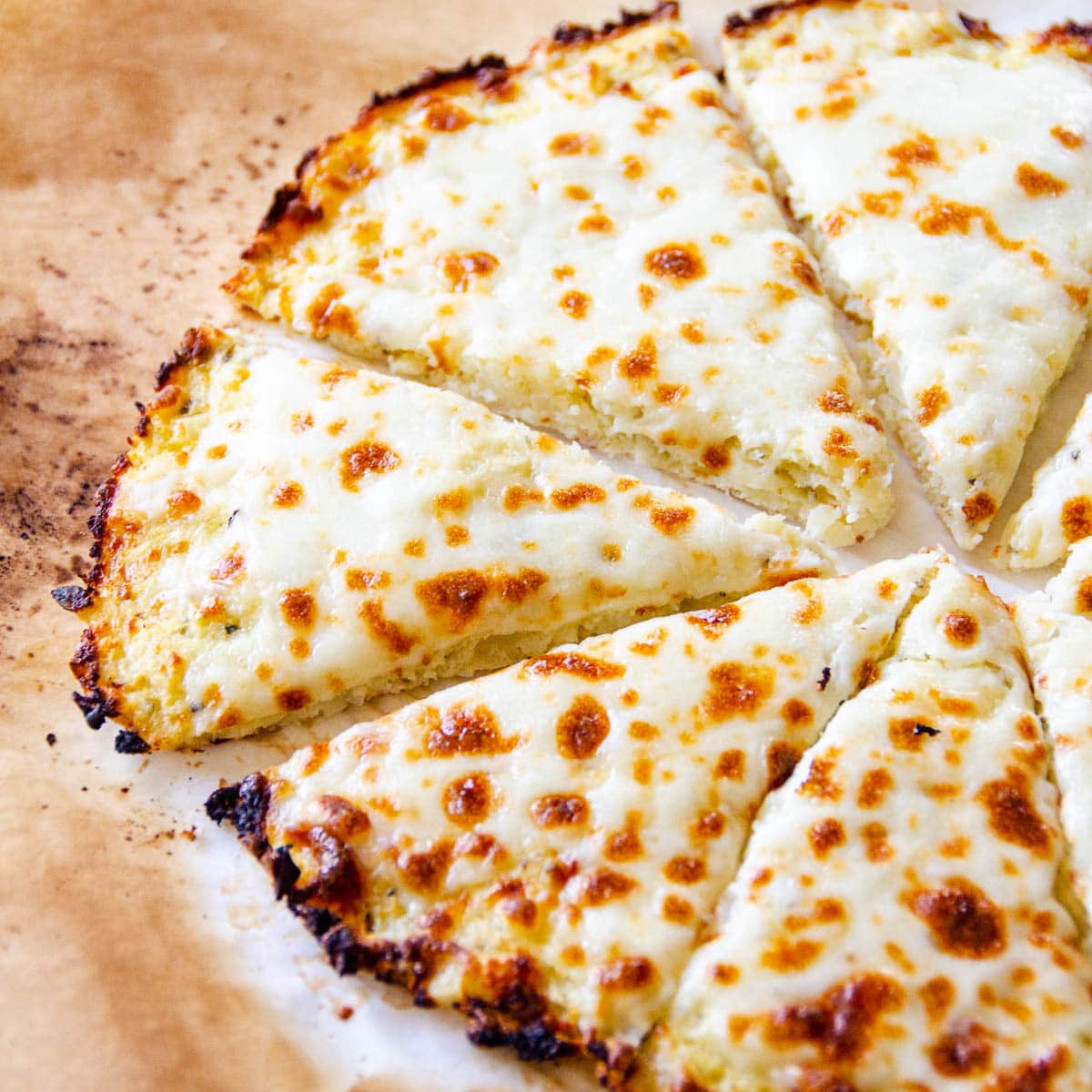
Tired of soggy, crumbling gluten-free pizza crusts that can’t hold up to your favorite toppings? Imagine sinking your teeth into a slice of homemade pizza where the crust is not only healthy and low-carb but also wonderfully crispy and sturdy enough to handle generous dollops of sauce and cheese. The secret lies in mastering the art of the cauliflower pizza crust. Far from the flimsy imitations you might have encountered, this guide will empower you to create a truly resilient and delicious base that transforms your pizza night experience.
Making a homemade cauliflower pizza crust might sound intimidating, but it's surprisingly straightforward. This versatile, nutrient-packed alternative to traditional flour-based crusts is a game-changer for anyone seeking gluten-free, low-carb, or simply healthier meal options. With the right techniques, you’ll achieve a golden-brown finish and a satisfying crispness that stands up to even the most enthusiastic eaters. Let's dive into the essential steps and tips to unlock the full potential of this amazing crust.
The Undisputed King of Crust Quality: Moisture Control
The single most crucial factor differentiating a stellar cauliflower pizza crust from a disappointing, soggy mess is moisture control. Cauliflower, despite its seemingly dry appearance, holds a surprising amount of water. Failing to extract this moisture effectively will inevitably lead to a weak, floppy crust that falls apart under the weight of your toppings. Think of it as building a house on a wet foundation – it just won't hold.
Ricing Your Cauliflower: Fresh or Frozen?
Your journey to a perfect crust begins with preparing the cauliflower. You have a couple of convenient options:
- Store-Bought Cauliflower Rice: For ultimate convenience, grab a bag of frozen cauliflower rice from your local grocery store's freezer section. This saves a significant amount of prep time. Make sure it’s plain cauliflower, not seasoned varieties.
- DIY Cauliflower Rice: If you prefer fresh or want to save a few dollars, making your own is easy. Simply cut a head of cauliflower into florets or chunks and pulse them in a food processor until they resemble rice grains. Alternatively, you can use a box grater for a slightly finer texture. Be careful not to over-process, or you’ll end up with cauliflower puree, which is too wet for a crust. The goal is a uniform, rice-like consistency.
Dual-Action Drying: The Ultimate Crispness Strategy
Once you have your cauliflower rice, it’s time for the critical drying process. We employ a two-step method to ensure every last ounce of moisture is removed, turning your cauliflower rice into a kind of "cauliflower flour" that's ready to bind into a sturdy dough.
- Initial Roasting (Evaporation & Flavor): Spread your cauliflower rice in a single, even layer on a parchment-lined baking sheet. Roast it in a moderately hot oven (around 375-400°F or 190-200°C) for about 15-20 minutes, or until it starts to turn slightly golden and feels dry to the touch. This step initiates the drying process by evaporating surface moisture and also adds a subtle nutty, roasted flavor that enhances the final crust. Do not skip this; it's fundamental for both texture and taste.
- Aggressive Squeezing (Extraction & Sturdiness): This is arguably the most vital step. Once the roasted cauliflower has cooled enough to handle, transfer it to a cheesecloth or a clean, thin kitchen towel. Gather the edges of the cloth and twist tightly, squeezing out as much liquid as humanly possible. You'll be surprised by the sheer volume of water that comes out! Keep squeezing until you can’t get another drop. The cauliflower inside should be bone-dry and crumbly. This rigorous squeezing removes the internal moisture that roasting alone can't reach, ensuring your crust will be firm, not mushy.
Crafting Your Cauliflower Pizza Dough: The Bind and The Flavor
With your cauliflower perfectly dried, you’re ready to transform it into a pliable dough. This is where eggs and cheese come into play, acting as essential binders and flavor enhancers, giving your cauliflower pizza crust that satisfying texture and taste.
Essential Ingredients for a Sturdy Dough
- Dried Cauliflower: The foundation of your crust.
- Eggs: These are the primary binders. The proteins in the egg coagulate when heated, creating a strong matrix that holds the cauliflower particles together, preventing your crust from falling apart. Usually, one to two large eggs are sufficient per medium-sized crust.
- Cheese: Cheese serves a dual purpose. Harder cheeses like grated Parmesan or Pecorino Romano add incredible savory depth and contribute to the crispness. Softer, meltier cheeses like mozzarella (grated) can also be added for extra binding and a cheesy flavor. The fat content in cheese also helps create a tender, yet sturdy, texture.
- Seasonings: Don't underestimate the power of herbs and spices! Garlic powder, onion powder, dried oregano, basil, a pinch of red pepper flakes, salt, and black pepper are excellent choices. These seasonings elevate the crust's flavor beyond just cauliflower, making it truly enjoyable.
Mixing and Shaping Your Crust
In a large bowl, combine your dry-squeezed cauliflower with the eggs, grated cheese, and your chosen seasonings. Mix everything thoroughly, either with your hands or a sturdy spatula, until all ingredients are well incorporated and the mixture forms a cohesive, slightly sticky "dough." It should hold its shape when pressed together.
To shape your crust, place a fresh piece of parchment paper on a baking sheet. Transfer the dough mixture to the center of the parchment. Using your hands or the back of a spoon, press the dough firmly and evenly into your desired shape – typically a circle. Aim for an even thickness, about ¼-inch. Uneven thickness can lead to some parts being undercooked and others overcooked. For extra sturdiness and a handle for picking up slices, you might make the edges slightly thicker, creating a subtle rim.
Baking Techniques for Superior Crunch and Stability
Baking is where the magic happens, transforming your cauliflower dough into a golden, firm foundation. Proper baking ensures maximum crispness and prevents any last vestiges of sogginess from creeping in.
Pre-Baking the Crust: The Non-Negotiable Step
Pre-baking your naked crust before adding toppings is essential. This crucial step allows the crust to firm up and dry out further, creating a strong base that won't buckle under the weight and moisture of your toppings. Bake the crust in a hot oven (around 400-425°F or 200-220°C) for 15-20 minutes, or until it's golden brown and firm to the touch.
The Flipping Maneuver for Even Crispness: For an exceptionally crispy crust, consider flipping it halfway through the pre-baking process. This ensures both sides get direct heat, promoting uniform browning and crispness. Here’s a safe and effective way to flip a hot, half-baked crust:
- Once your crust has baked for about 10 minutes, carefully remove the baking sheet from the oven.
- Place a new sheet of parchment paper directly on top of the half-baked crust.
- Position a large, flat plate or another baking sheet on top of the parchment.
- Holding the original baking sheet and the plate/second sheet firmly together, quickly and confidently flip the entire "sandwich" over.
- Gently slide the now-flipped crust (which will be on the new parchment) back onto the original hot baking sheet. Return to the oven to finish pre-baking.
Adding Toppings and the Final Bake
Once your pre-baked cauliflower pizza crust is beautifully golden and firm, it's ready for toppings! Be mindful not to overload it, especially with very wet ingredients, as this can counteract all your moisture-control efforts. A light layer of sauce, cheese, and your favorite toppings will suffice. Return the topped pizza to the oven for another 5-10 minutes, or until the cheese is melted, bubbly, and the toppings are heated through.
Grilling Your Cauliflower Pizza Crust (An Advanced Option)
For those who love the smoky flavor of grilled pizza, your pre-baked cauliflower pizza crust can handle it! After pre-baking, the crust is sturdy enough to be transferred to a grill. Ensure your grill grates are very clean and well-greased to prevent sticking. If you're hesitant about direct grilling, an excellent alternative is to place the crust on a grill-safe sheet (like a cast iron skillet or a perforated grill pan), add your toppings, and grill it that way. This provides stability while still imparting that delicious smoky flavor.
Tips for Cauliflower Pizza Crust Success and Creative Variations
Achieving the perfect cauliflower pizza crust is a skill that improves with practice. Here are some extra tips and creative ideas to make every pizza night a triumph:
- Don't Be Shy with Seasoning: Cauliflower has a mild flavor, so don't hesitate to be generous with garlic powder, Italian herbs, and a good pinch of salt and pepper in your crust mixture.
- Even Thickness is Key: Strive for a consistent thickness across your crust to ensure it bakes evenly and prevents soft spots.
- Experiment with Cheeses: While Parmesan and mozzarella are classics, try adding a touch of smoked gouda or sharp cheddar to your crust mixture for different flavor profiles.
- Cool Before Slicing: Let your finished pizza cool for a few minutes after coming out of the oven. This allows the cheese to set and the crust to firm up even more, making for cleaner, sturdier slices.
- Make Ahead Option: You can pre-bake multiple crusts and store them in an airtight container in the fridge for a few days, or freeze them for up to a month. This makes healthy pizza night even quicker!
- Topping Inspiration: Let your imagination run wild! Try a pesto base with roasted vegetables, classic Margherita with fresh basil, BBQ chicken with red onion, or a white sauce with spinach and feta. For more ideas and to fine-tune your technique, you might find valuable insights in our articles: Easy Low-Carb Cauliflower Pizza Crust for Healthy Pizza Night and Unlock the Secrets to a Crispy, Flavorful Cauliflower Pizza Crust.
Mastering a homemade cauliflower pizza crust is a truly rewarding culinary achievement. By focusing on meticulous moisture removal, using the right binders, and employing effective baking techniques, you can create a truly crispy, sturdy, and flavorful base that rivals traditional pizzas. This healthy, gluten-free, and low-carb alternative means you no longer have to sacrifice taste or texture for your dietary goals. So, roll up your sleeves, embrace the power of cauliflower, and get ready to enjoy pizza night without compromise!
