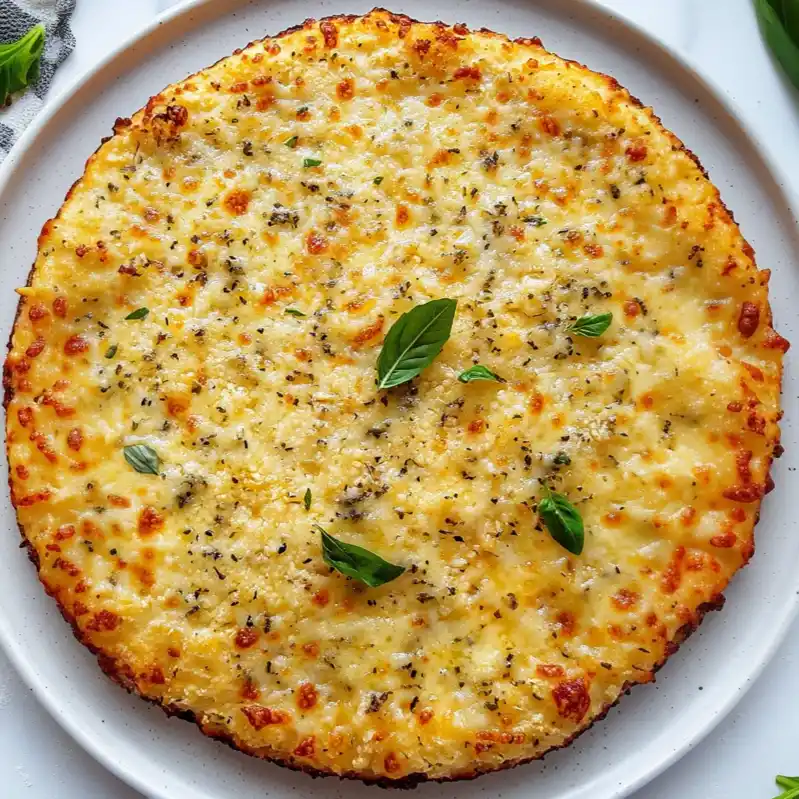
Easy Low-Carb Cauliflower Pizza Crust for Healthy Pizza Night
Craving pizza but looking for a healthier, low-carb alternative? Say goodbye to carb-heavy dough and hello to the incredible versatility of a cauliflower pizza crust! This revolutionary base transforms your favorite comfort food into a guilt-free delight, perfect for those following a keto, gluten-free, or simply health-conscious lifestyle. Forget flimsy, soggy imitations – with the right techniques, you can create a surprisingly sturdy, flavorful, and crispy cauliflower crust that holds up beautifully to all your favorite toppings.
Making your own cauliflower pizza crust might sound daunting, but it's remarkably straightforward once you understand a few key principles. The secret lies in a meticulous approach to moisture removal and using the right binding agents. This comprehensive guide will walk you through every step, ensuring your homemade cauliflower crust is a resounding success, delivering all the satisfaction of traditional pizza without the carb overload.
Why Choose Cauliflower for Your Pizza Base?
Cauliflower has emerged as a culinary superstar, celebrated for its mild flavor profile and incredible adaptability, making it an ideal candidate for a healthy pizza base. But why exactly should you swap your usual dough for this cruciferous vegetable?
- Nutritional Powerhouse: Cauliflower is naturally low in carbohydrates and calories, yet packed with essential vitamins (like C, K, and B6), fiber, and antioxidants. This means you can enjoy your pizza without the post-meal slump often associated with traditional, refined flour crusts.
- Dietary Flexibility: For those adhering to gluten-free or ketogenic diets, a cauliflower pizza crust is a game-changer. It provides a delicious and satisfying option that fits seamlessly into these eating plans, opening up a world of pizza possibilities.
- Surprisingly Sturdy & Flavorful: When prepared correctly, cauliflower bakes up into a crust with a delightful subtle nutty flavor and a firm, crisp texture that genuinely holds its own. The addition of eggs and cheese acts as a powerful binder, creating a structure that can support even generous toppings.
- Versatile Canvas: The mild flavor of cauliflower means it doesn't overpower your toppings. Instead, it complements them beautifully, allowing the vibrant tastes of your sauce, cheese, and other ingredients to shine.
Don't let any past skepticism deter you. A perfectly baked cauliflower crust delivers a satisfying crispness with subtle nutty undertones from the roasted cauliflower. The texture holds firm against generous toppings while remaining light enough for second slices.
The Essential Ingredients for a Perfect Cauliflower Pizza Crust
While cauliflower is the star, a few supporting actors are crucial for creating a crust that's both delicious and structurally sound. Here's what you'll need:
- Cauliflower: The bulk of your crust. You'll need it "riced." You can buy pre-riced cauliflower in the freezer section (a convenient shortcut!) or make your own by pulsing cauliflower florets in a food processor until they resemble rice grains. A box grater also works well for breaking down florets or chunks.
- Eggs: These are the primary binding agent, providing structure and preventing the crust from crumbling. Don't skip them!
- Cheese (Parmesan, Mozzarella, or a blend): Not only does cheese add incredible flavor, but it also contributes to the binding process and helps achieve that desirable golden-brown crispness. Parmesan offers a sharp, salty kick, while mozzarella adds a melty richness.
- Seasonings: A blend of garlic powder, dried oregano, salt, and black pepper is a fantastic starting point. Feel free to customize with Italian seasoning, onion powder, or a pinch of red pepper flakes for an extra kick. These seasonings are vital for ensuring your crust isn't bland and complements your pizza toppings.
Having these ingredients prepped and ready will streamline your crust-making process and set you up for success.
Mastering the Art of Moisture Removal: The Secret to a Sturdy Crust
This is arguably the single most critical step in creating a truly exceptional cauliflower pizza crust. Cauliflower, like many vegetables, holds a surprising amount of water. Too much moisture in your crust will result in a soggy, weak base that falls apart – the ultimate pizza night disappointment. We'll employ a simple, two-pronged approach to dry out the cauliflower, effectively turning it into a "cauliflower flour" that's ready to bind into a firm crust.
Step 1: Initial Roast to Evaporate Moisture
After ricing your cauliflower, spread it in a single, even layer on a parchment-lined baking sheet. This ensures uniform drying. Roast it in a preheated oven (around 375-400°F / 190-200°C) for about 15-20 minutes, or until it starts to turn slightly golden and feels dry to the touch. This initial bake helps to evaporate a significant amount of the inherent moisture.
Step 2: The Squeeze – Getting Every Last Drop Out
Once the roasted cauliflower has cooled enough to handle, transfer it to a cheesecloth or a clean, sturdy kitchen towel. This is where the magic happens! Gather the edges of the cloth and twist tightly, squeezing out every last ounce of liquid. You'll be amazed at how much water comes out – don't be shy with your squeezing power! The drier your cauliflower is at this stage, the crispier and sturdier your final crust will be. This step is non-negotiable for a superior result. It's truly one of the secrets to achieving a crispy, flavorful cauliflower pizza crust, as detailed in our related article, Unlock the Secrets to a Crispy, Flavorful Cauliflower Pizza Crust.
Step-by-Step Guide to Crafting Your Cauliflower Pizza Crust
With your cauliflower perfectly dried, you're ready to assemble and bake your incredible low-carb pizza base. Follow these steps for flawless results:
- Prepare the Cauliflower: As detailed above, rice your cauliflower (using a food processor or grater) and then dry it out through roasting and vigorous squeezing with a cheesecloth or clean towel. Ensure it's as dry as possible!
- Combine Ingredients: In a large mixing bowl, combine the thoroughly dried cauliflower "flour" with your beaten eggs, grated cheeses (Parmesan and/or mozzarella), and desired seasonings (garlic powder, oregano, salt, pepper). Mix everything together thoroughly until a cohesive "dough" forms. It should be sticky but workable.
- Form the Crust: Lay a fresh sheet of parchment paper on a baking sheet. Spoon the cauliflower mixture onto the center of the parchment. Using your hands (lightly moistened to prevent sticking) or the back of a spoon, press and shape the mixture into a round pizza crust of your desired thickness. Aim for about ¼ to ½ inch thick. A slightly thicker edge can mimic a traditional crust.
- Pre-bake the Crust: Bake the shaped crust in a preheated oven (typically 400-425°F / 200-220°C) for about 15-20 minutes. You're looking for it to turn golden brown and firm around the edges. This initial bake is crucial for setting the structure.
- The Mid-Bake Flip (Optional, but Recommended for Crispness): For an extra crispy crust, a mid-bake flip is a game-changer. Carefully place another piece of parchment paper on top of your half-baked crust, then a large, flat plate or another baking sheet on top of that. Hold the "sandwich" firmly and quickly flip it over. Gently slide the crust back onto the original baking sheet (removing the top parchment and plate). This exposes the bottom of the crust to direct heat, promoting even browning and crispness.
- Continue Baking (Post-Flip): Return the flipped crust to the oven and bake for another 5-10 minutes, or until the bottom is golden brown and firm. This two-stage baking, especially with the flip, ensures a truly sturdy base.
- Top and Finish: Remove the pre-baked, flipped crust from the oven. Now it's ready for your favorite pizza sauce, cheese, and toppings! Return the topped pizza to the oven for another 5-10 minutes, or until the cheese is melted and bubbly and the toppings are heated through.
By following these meticulous steps, you'll be able to master homemade cauliflower pizza crust, achieving a truly crispy and sturdy base that will impress even the most skeptical eaters. For more in-depth techniques and troubleshooting, check out our guide on how to Master Homemade Cauliflower Pizza Crust: Crispy & Sturdy.
Beyond the Oven: Grilling Your Cauliflower Crust
While oven-baking is the most common method, a cauliflower crust can also be grilled for a unique smoky flavor. The key is to pre-bake your cauliflower pizza crust in the oven until it's sturdy and firm *before* attempting to grill it. This will prevent it from falling apart on the grates. Ensure your grill is well-greased to prevent sticking. If you're unsure about placing the crust directly on the grill, you can use a grill-safe sheet pan or a cast iron skillet to add your toppings and grill it indirectly. This method provides a delicious char and adds another dimension to your healthy pizza night.
Topping Inspiration for Your Healthy Pizza Night
Now that you've mastered the art of the cauliflower pizza crust, it's time to let your culinary imagination run wild with toppings! The mild, nutty flavor of this base pairs beautifully with a wide array of ingredients:
- Classic Italian: Keep it simple and delicious with a rich tomato sauce, fresh mozzarella, a sprinkle of fresh basil, and some lean pepperoni or sliced mushrooms.
- Gourmet Greens & Prosciutto: After baking, top your pizza with fresh arugula and delicate slices of prosciutto for a sophisticated and flavorful twist. A drizzle of balsamic glaze can elevate this further.
- Pesto & Roasted Veggies: Spread a vibrant pesto sauce as your base, then layer on colorful roasted vegetables like bell peppers, zucchini, red onion, and cherry tomatoes. A sprinkle of feta cheese adds a briny kick.
- Mediterranean Delight: Think sun-dried tomatoes, Kalamata olives, artichoke hearts, crumbled feta cheese, and a sprinkle of dried oregano over a light tomato sauce or even a white garlic sauce.
- Spicy Chicken BBQ: Use a sugar-free BBQ sauce as your base, top with cooked shredded chicken, sliced red onions, and a blend of mozzarella and cheddar cheese. A sprinkle of fresh cilantro after baking is a must.
The beauty of the cauliflower pizza crust is its ability to support various flavors and textures, making it a perfect canvas for your healthy pizza creations.
Conclusion
Making a delicious, low-carb cauliflower pizza crust is not only achievable but also incredibly rewarding. By focusing on critical steps like thorough moisture removal and proper baking techniques, you can enjoy all the satisfaction of pizza night without compromising your health goals. This versatile, gluten-free, and keto-friendly base is a testament to how healthy eating can be both easy and incredibly tasty. So, gather your ingredients, follow these steps, and prepare to delight in a homemade pizza that's both nutritious and irresistibly flavorful. Your healthy pizza night just got a major upgrade!
